






Biobased
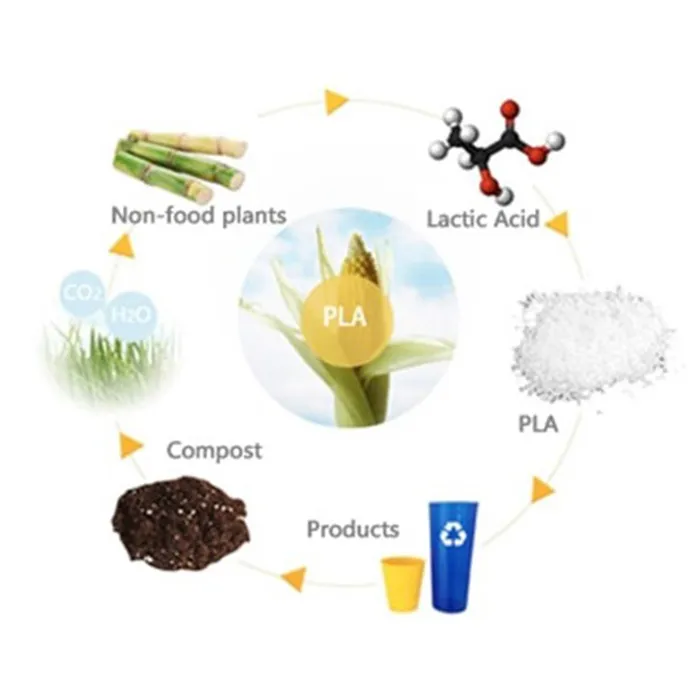
Biobased plastics are plastics made from natural sources such as corn, wheat, sugar cane, cassava, potatoes, sweet potatoes, beans, etc. They are often classified as biobased. Bio-based for use in the production of Bio Plastic, which is a plastic produced from natural materials.
Most are biomaterials that are partly or wholly produced by living organisms. Whether plants, trees or animals, it can cause degradation in nature. (biodegradable) and can return to nature 100%, but some types must use the correct decomposition methods and procedures with these bioplastics to decompose even if they are Bio-Based, helping to reduce pollution problems in the environment and the amount of residual waste This makes bioplastics a way to develop materials for sustainable use in the environment.
Bio-Based products also have other benefits, such as being safer. Because many raw materials come from nature, products are biodegradable, etc. It also has biological properties. or is it partially biological but has the same properties as general bioplastics different from general plastic It is not a material that comes from scientific synthesis alone. The bio-based plastic components are as follows:
1. PLA (Polylactic acid or Polylactide)
2. PETG (Polyethylene terephthalate)
3. PBS (Polybutylene succinate)
4. PVC (Polyvinyl chloride)
5. PCL (Polycaprolactone)
6. PHAs (Polyhydroxylakanoates)
7. PHB (Polyhydroxybutyrate)
8. PC (Polycarbonate)
9.PA (Polyamide)
10. TPS (Thermoplastic starch)
11. PP (Polypropylene)
12. PU (Polyurethane)
13. PE (polyethylene)
14. PBAT (polybutylene adipate co terephthalate)
Refer to: https://www.sync-innovation.com/3d-printing-technology/bio-base-material/